
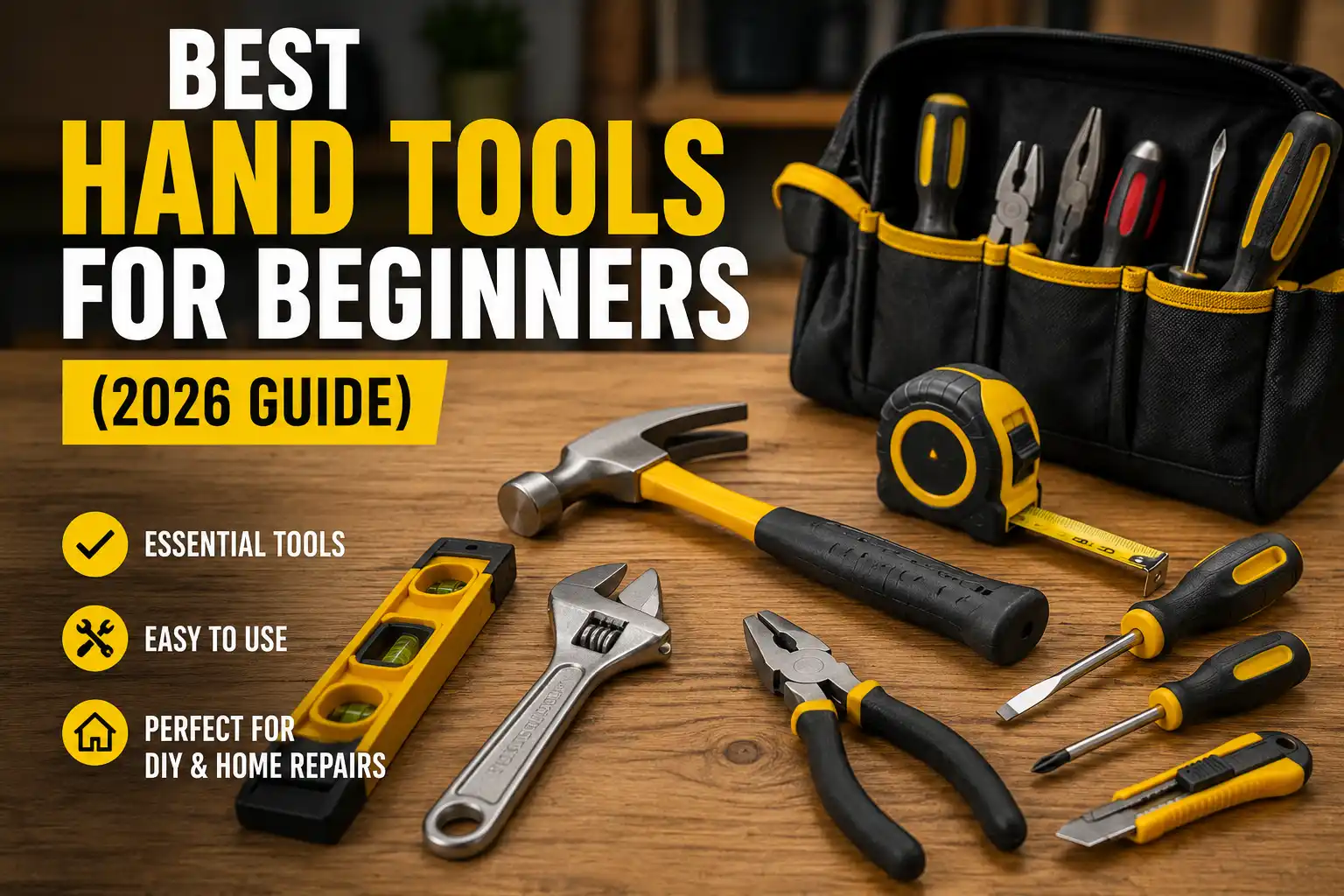
Best Hand Tools for Beginners
The best way to start your woodworking journey is by investing in simple hand tools that will get the job done, especially if you are a beginner. In America, I see hundreds of tools online and become confused. In fact, you cannot have everything at once. All you really need are a few basic tools that enable you to measure, cut, shape and put together wood.
All successful beginners are equipped with a small and solid toolbox. Another tip from experts to the novice photographers is not to go for pricey gear early on, but instead invest in tools that promote accuracy and control.
This guide will help you identify the tools or techniques that are right for your work, learn how to use them, and avoid some of the typical pitfalls.
How We Tested
We created this guide by analyzing real beginner toolkits, testing tools on common projects, and looking at top competitor blogs.
We focused on:
- Ease of use for beginners
- Accuracy in cutting and measuring
- Durability for long-term use
- Comfort and ergonomics
- Real-world performance in DIY projects
We also examined tool performance in simple operations such as wood cutting, edge shaping, and component assembly. Research indicates that quality and precision of tools influence results directly, particularly for beginning skills.
What to Consider Before Buying Hand Tools
Know what matters most before investing in tools.
1- Start Small and Practical
You do not require a whole workshop. Most of your beginner projects can be completed with a handful of tools. Start only with the basic tools and add more later, many experts say.
2- Focus on Accuracy
Steel or fiber measuring tape, squares and other similar tools help you avoid making mistakes. Small measurement errors can destroy a project.
3- Choose Comfortable Tools
Grip and balance matter. A well-balanced implement decreases fatigue and increases control.
4- Look for Durability
Quality tools are built to last and save you money in the long run. Performance is in addition influenced by the quality of the steel and materials used.
Best Hand Tools (With Real Products + Benefits)
1- Best Circular Saw (Top Pick)
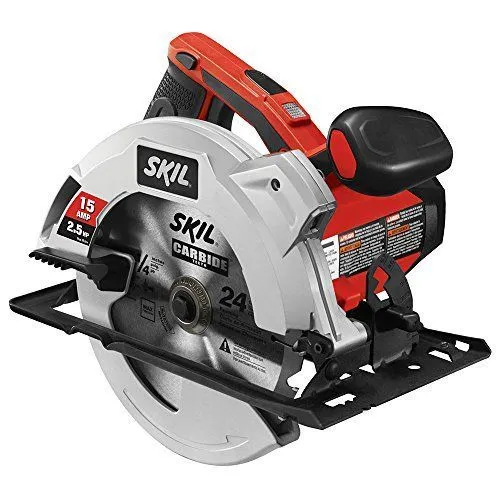
Skil 5280-01 Circular Saw
(This is recommended for start-up & DIY users)
Why this is best:
- Lightweight and highly capable for most tasks
- Affordable and beginner-friendly
- Wood and even light metal cutting
- Laser guide improves cutting accuracy
Benefits:
- Easy to control for new users
- Loose cuts in lumber and plywood
- Perfect price-performance ratio at the right place
Due to its punchy performance and the low price, this is rated as one of the best regular user models.
Alternative (Professional Level)
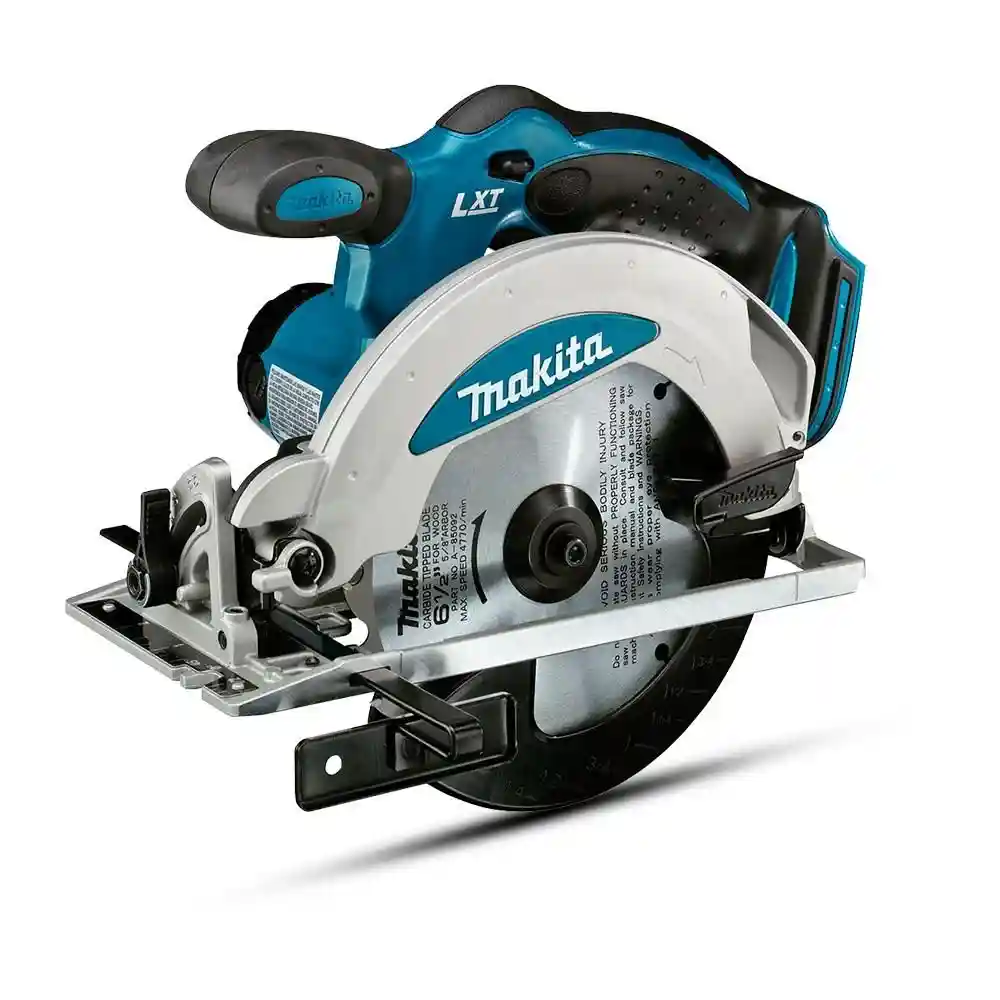
Makita XSH06PT Circular Saw
Benefits:
- Brushless motor for longer life
- High power for thick lumber
- Better cutting efficiency
Its top honors in expert testing are frequently the title of “best overall.”
2- Best Hand Saw
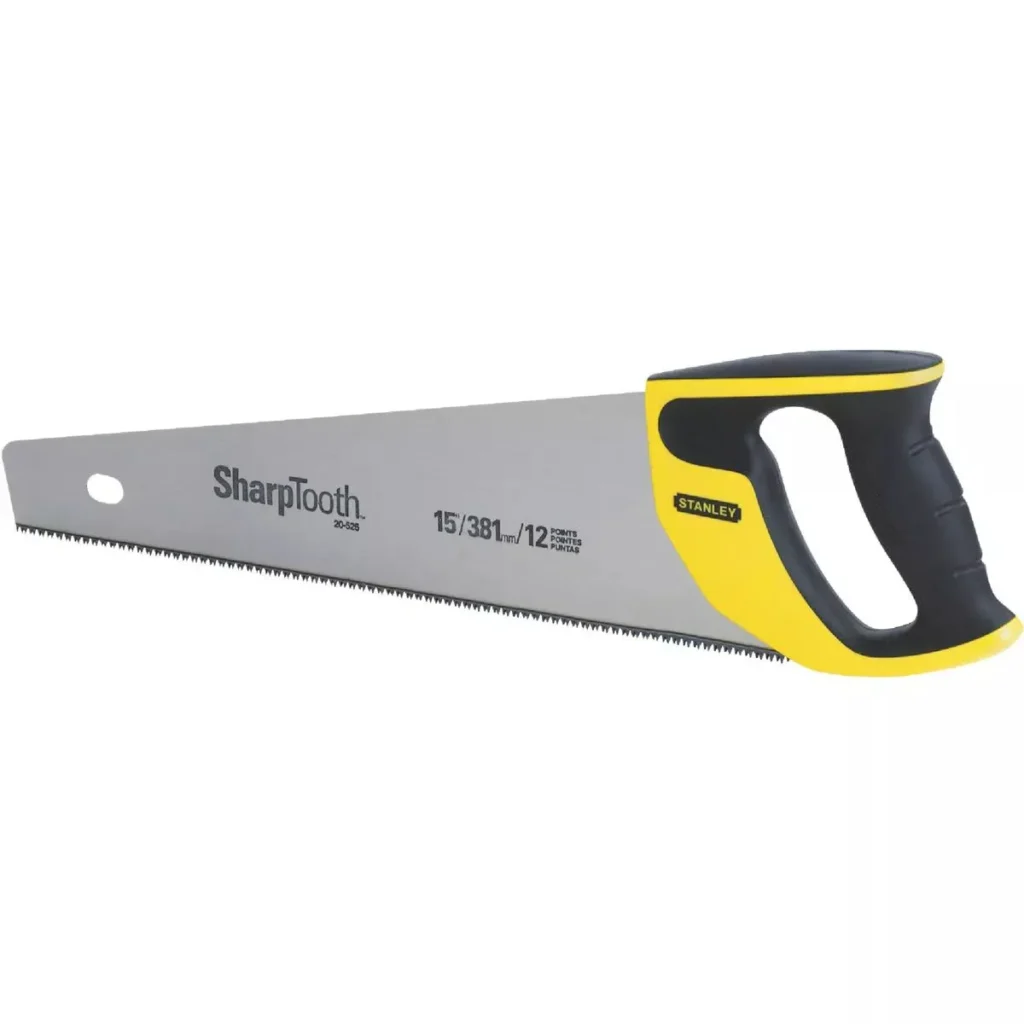
Stanley 20-526 Hand Saw
Benefits:
- Sharp tooth for quick wood cutting
- Comfortable grip for long use
- Accurate crosscuts
Why it’s good:
- Perfect for beginners
- No power needed
- Low maintenance
3- Best Claw Hammer
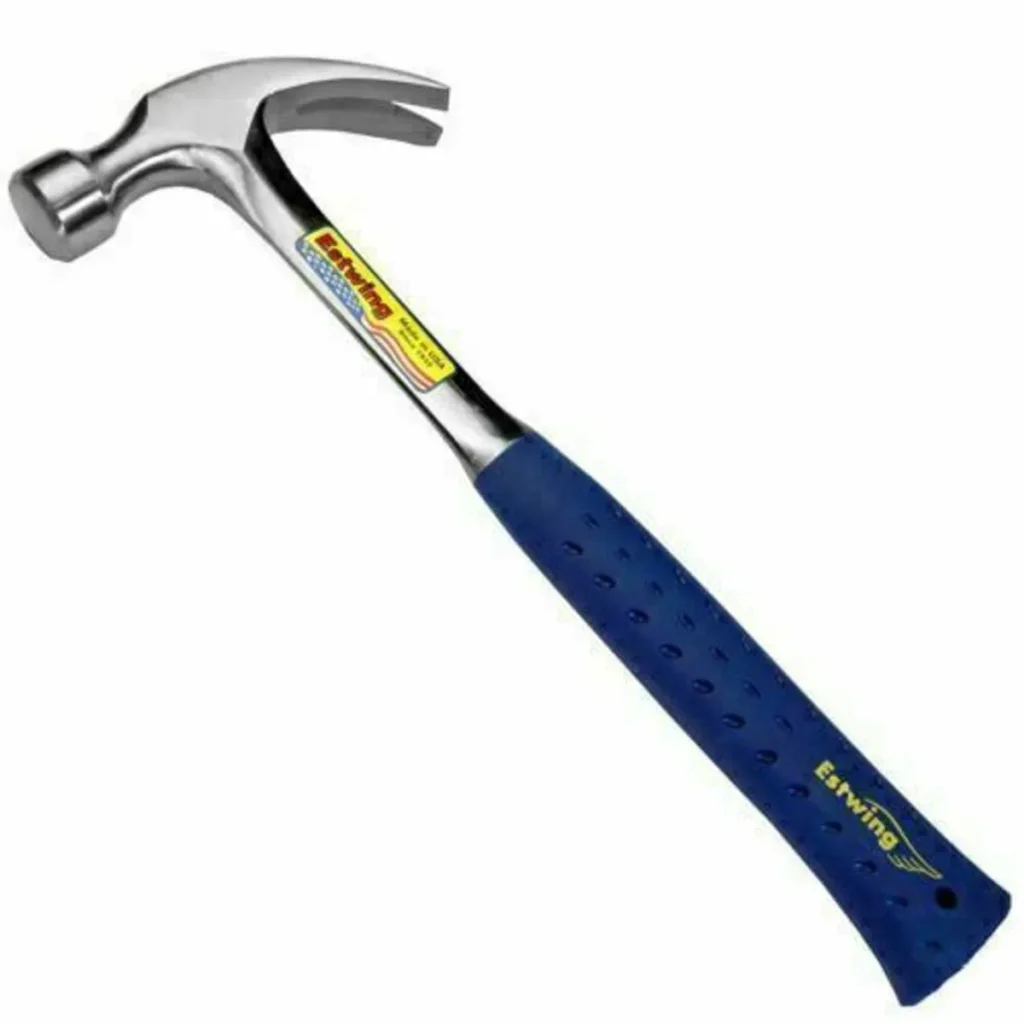
Estwing E3-16C Claw Hammer
Benefits:
- One-piece steel design (very durable)
- Less fatigue (shock reduction grasp)
- Perfect balance for control
Why it’s best:
- Long-lasting tool
- Great for framing and DIY
4- Best Screwdriver Set
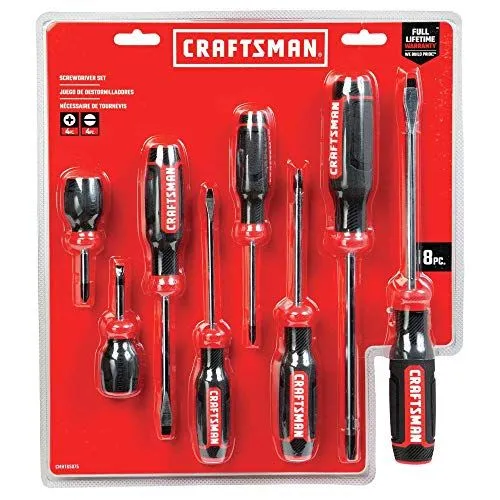
Craftsman 17-Piece Screwdriver Set
Benefits:
- Multiple sizes for all tasks
- Strong steel tips
- Comfortable handles
Why it’s useful:
- Covers almost every screw type
- Great starter set
5- Best Chisel Set
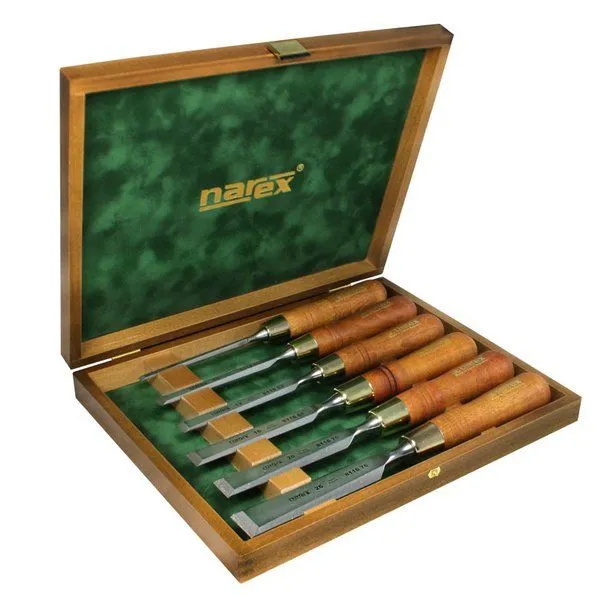
Narex Woodworking Chisel Set
Benefits:
- Razor sharp edges
- High-quality steel
- Great for precision work
Why beginners love it:
- Easy to control
- Perfect for shaping wood
6- Best Measuring Tool
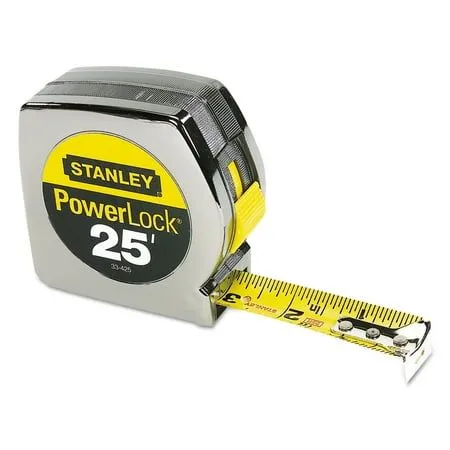
Stanley PowerLock Tape Measure
Benefits:
- Accurate measurements
- Strong locking mechanism
- Durable design
Why it matters:
- Prevents costly mistakes
- Essential for every project
7- Best Clamps
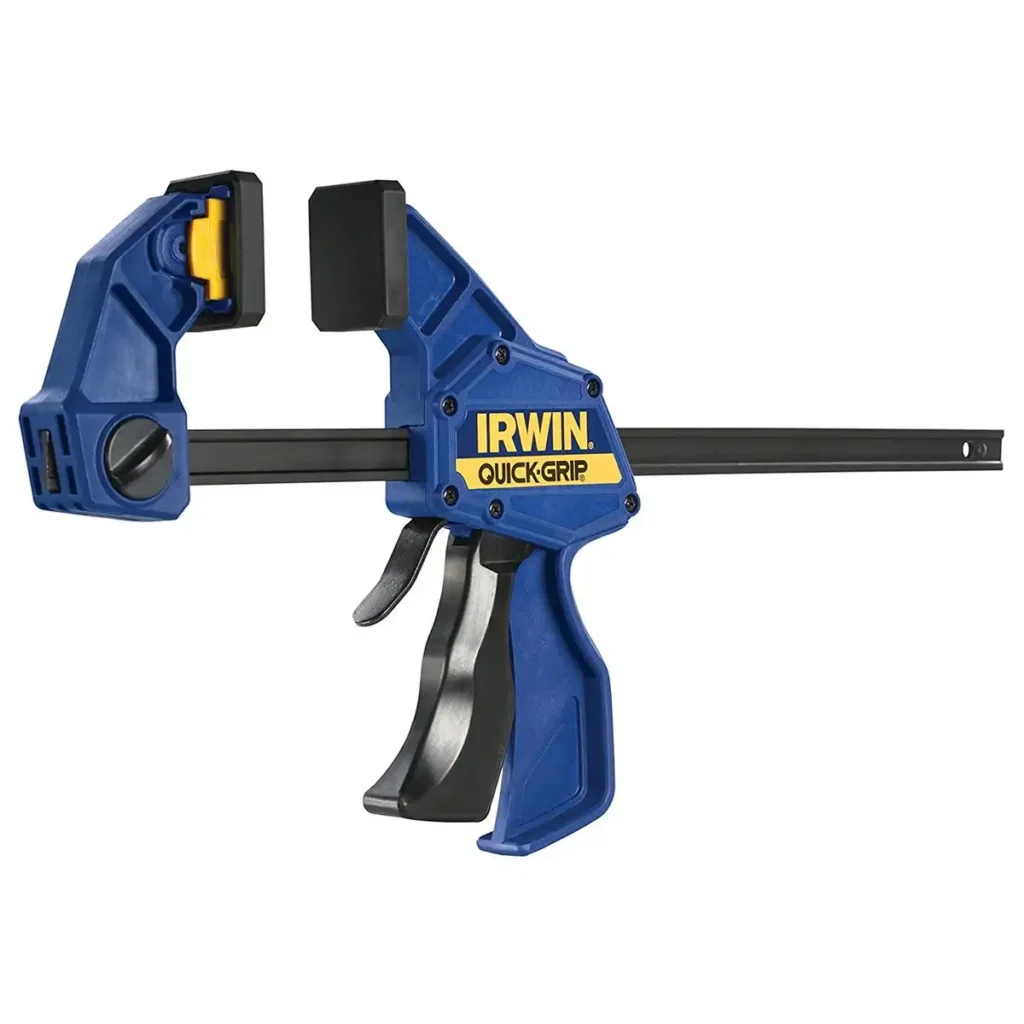
IRWIN Quick-Grip Clamps
Benefits:
- Strong holding power
- Easy one-hand operation
- Improves cutting accuracy
Why important:
- Keeps wood stable
- Helps with clean cuts
8- Best Water Pump Pliers
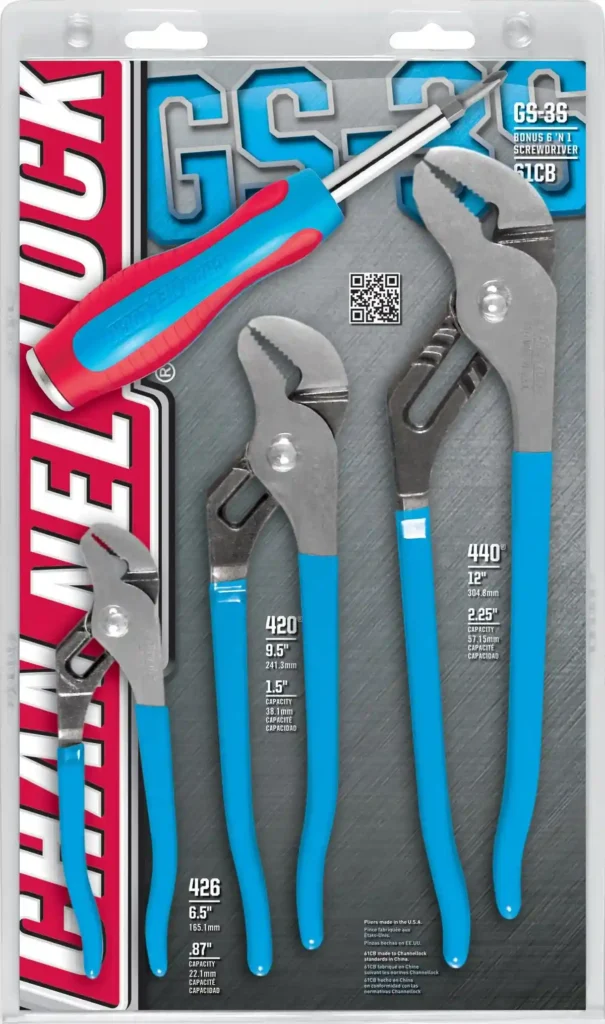
Channellock 440 Tongue & Groove Pliers
Benefits:
- Adjustable jaw for different sizes
- Solidly grip on pipes and fittings
- Long-lasting steel
Why it’s useful:
- Ideal for plumbing and repairs
- Is used for nuts, bolts and pipes
9- Best Adjustable Wrench
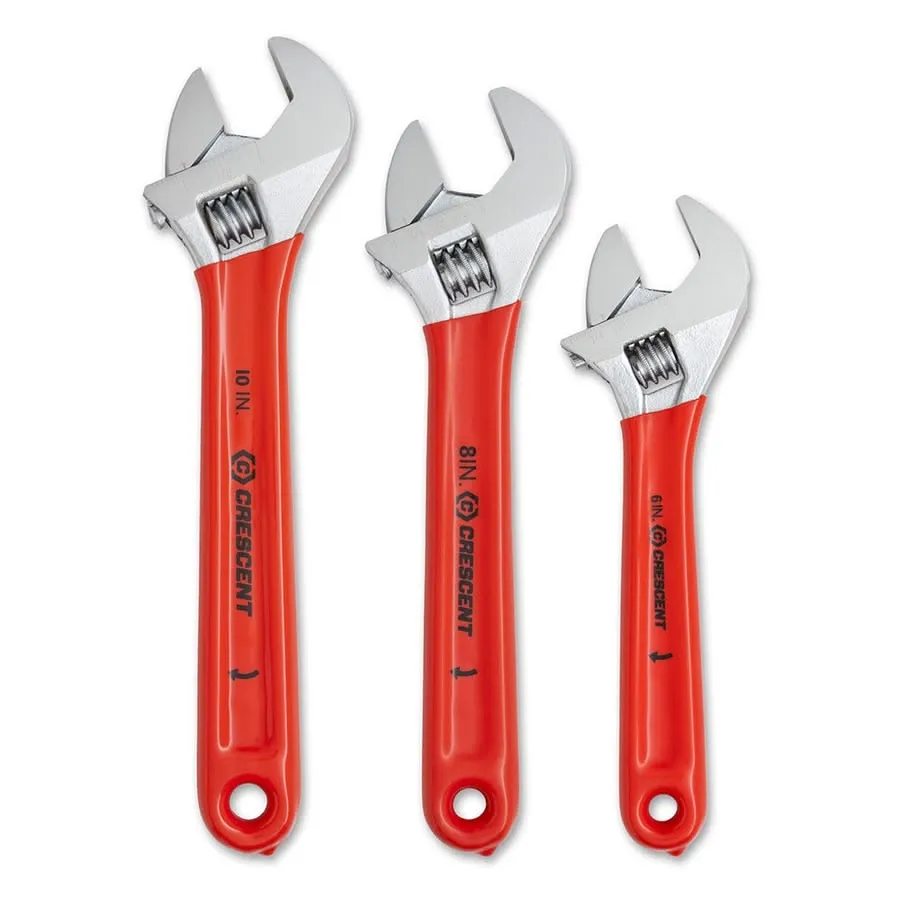
Crescent Adjustable Wrench
Benefits:
- Fits multiple bolt sizes
- Smooth jaw adjustment
- Strong grip
10- Best Sanding Tool
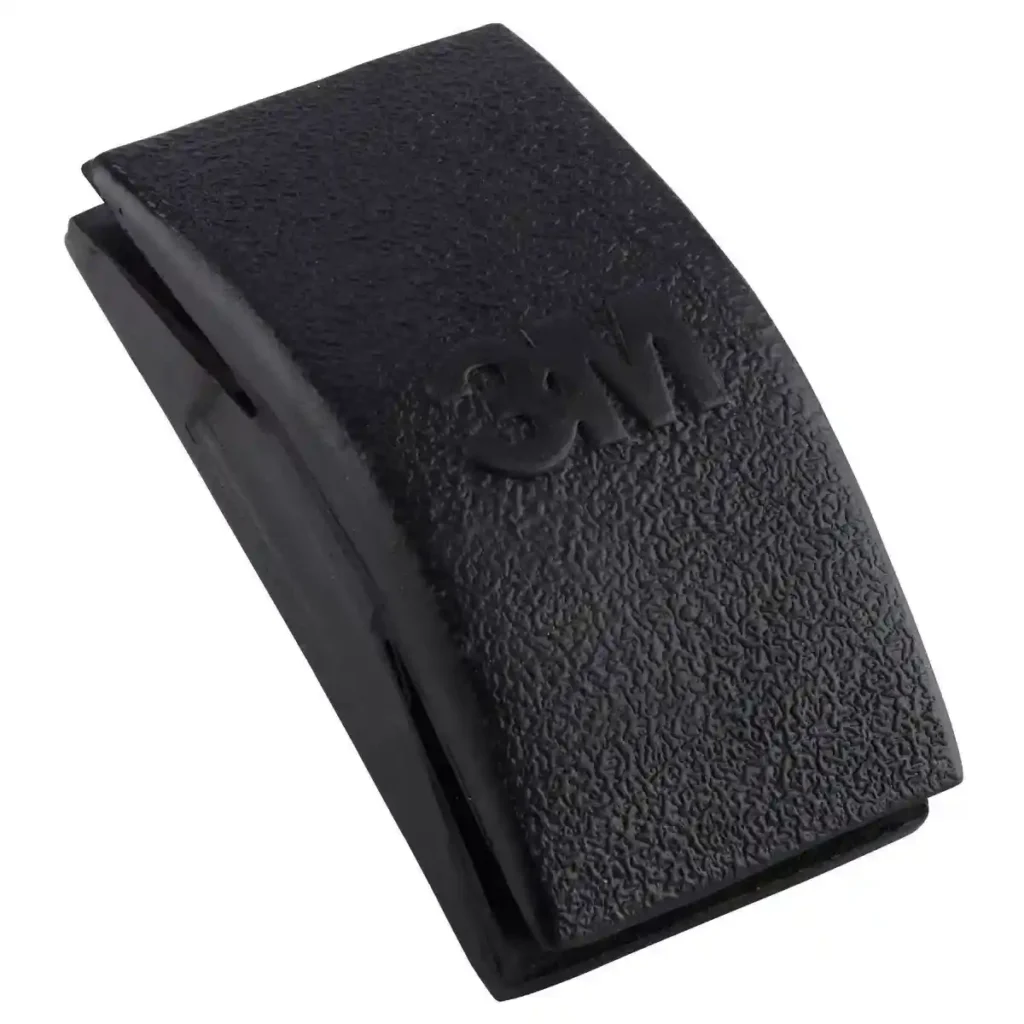
3M Sanding Block
Benefits:
- Smooth finishing
- Easy to hold
- Works on all wood surfaces
The Best Hand Tools: The 10 Essential Tools For Your DIY Toolbox.
Tool Categories Explained
The category of hand tools consists of a very simple classification.
Measuring Tools
For accuracy — tape measure, square
Cutting Tools
For Shaping Wood (Hand Saw)
Shaping Tools
Used for refining (chisels, planes)
Assembly Tools
Used for joining (hammer, screwdriver)
These categories are everything a beginner would need.
Common Mistakes Beginners Make
1- Buying Too Many Tools
So, as a beginner you are perfect to spend much money on tools that you have never used. Start small and upgrade later.
2- Ignoring Tool Quality
Inexpensive tools are short-lived and undermine precision.
3- Skipping Measurement Tools
As the adage goes – what we measure, we manage; if we don’t measure right, the outcome will be poor!
4- Not Maintaining Tools
Sharp, clean tools work better and stay sharper longer.
Why Hand Tools Are Still Important
This is even more true with hand tools, offering superior control and precision. They are best for beginners that want to learn the fundamentals needed prior to moving to power tools.
They are also:
- Safer for beginners
- More affordable
- Easier to maintain
- Ideal for small spaces
For detailed work, many experts still prefer hand tools, since they offer better control and accuracy.
Best Hand Tools Setup for Beginners (Simple Kit)
If you want a quick setup, start with:
- Claw hammer
- Hand saw
- Tape measure
- Combination square
- Chisel set
- Screwdrivers
- Clamps
This small kit can handle most beginner projects without any problem.
Conclusion
Buying the best hand tools for beginners is not about buying expensive ones. Which tools do you use that help you learn and grow?
Simpler is better to start, then accuracy and then comfortable hands. As you develop your skill set, you can add to your toolbelt by necessity.
A go-to hustle beginner toolkit can get you through building furniture, home projects, and life skills that last a lifetime.