
Jig Saw Guide
One of the most versatile power tools in a home workshop or project is a jig saw. It facilitates good curved, straight and small shape cuts with control.
A jigsaw is used for woodworking, cutting laminate flooring, cabinet work, and light cutting of metal. Simple to use and easy to carry, it is great for both beginning and expert users.
This guide will cover what a jig saw is, how it operates, which blade to use, and how to obtain clean and safe cuts.
What Is a Jig Saw
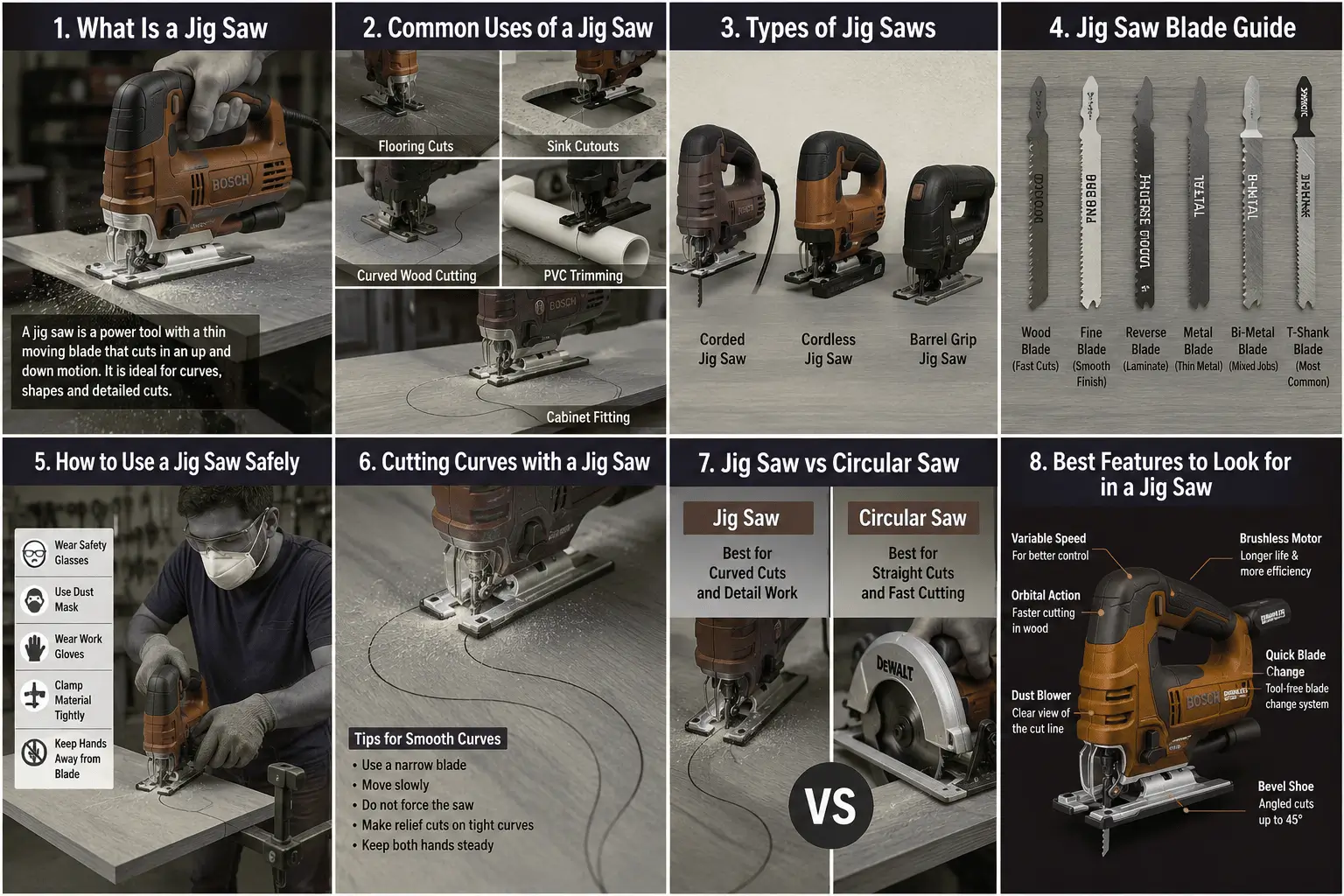
A jig saw is a power tool with a thin moving blade and is held in the hand. It cuts many materials in an up and down cutting movement.
You can use a jigsaw on:
- Wood
- Plywood
- MDF
- Laminate
- PVC
- Plastic
- Aluminum
- Thin metal
When a curved cut or detailed shape is required, it is best to use a jigsaw. It provides greater control than larger saws, such as a circular saw.
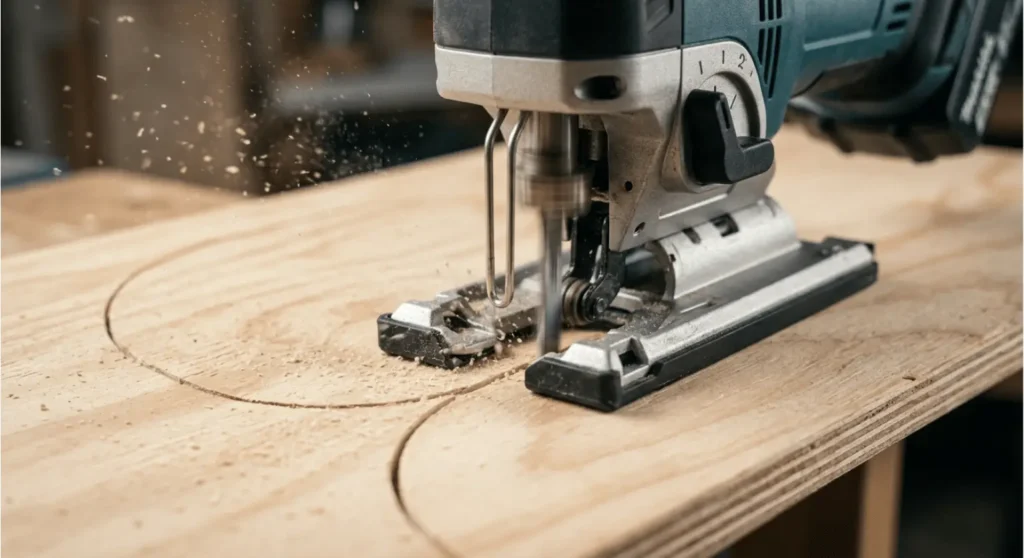
What Is a Jig Saw Used For
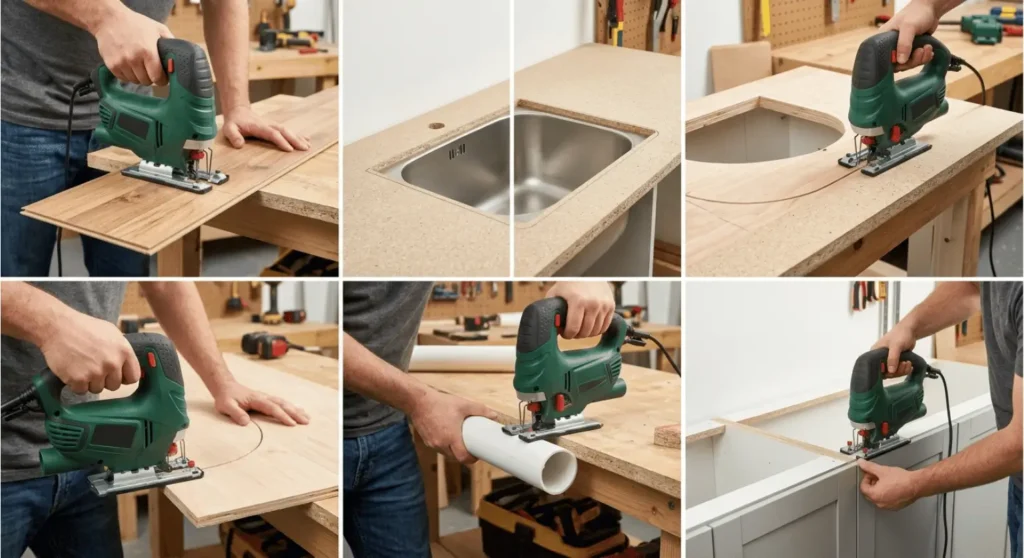
A jigsaw is used for a variety of tasks in woodwork and home repair.
Common Uses
- Curved wood cutting
- Sink cutouts
- Countertop openings
- Flooring cuts
- Cabinet fitting
- PVC trimming
- Metal sheet cutting
- Bevel cutting
- Plunge cutting
Real Workshop Examples
A carpenter uses a jigsaw to cut out curves in plywood. A flooring installer may employ it to cut laminate around pipes. A do-it-yourself user can use it to create openings in shelves and repair furniture.
How a Jig Saw Works
A jigsaw is a saw that has a motor that moves the blade in an up and down motion at a high speed. It keeps the shoe plate flat on the material during the cutting process.
Most of the modern jig saw has the following:
| Feature | Purpose |
|---|---|
| Variable speed | Better control |
| Orbital action | Faster cutting |
| The tool-free blade change system makes switching blades quick and easy. | Holds blade |
| Dust port | Cleaner view |
| Bevel shoe | Angled cuts |
The speed setting alters the blade’s speed. Slower speeds are ideal for metal or laminate. Wood is best suited for high speed.
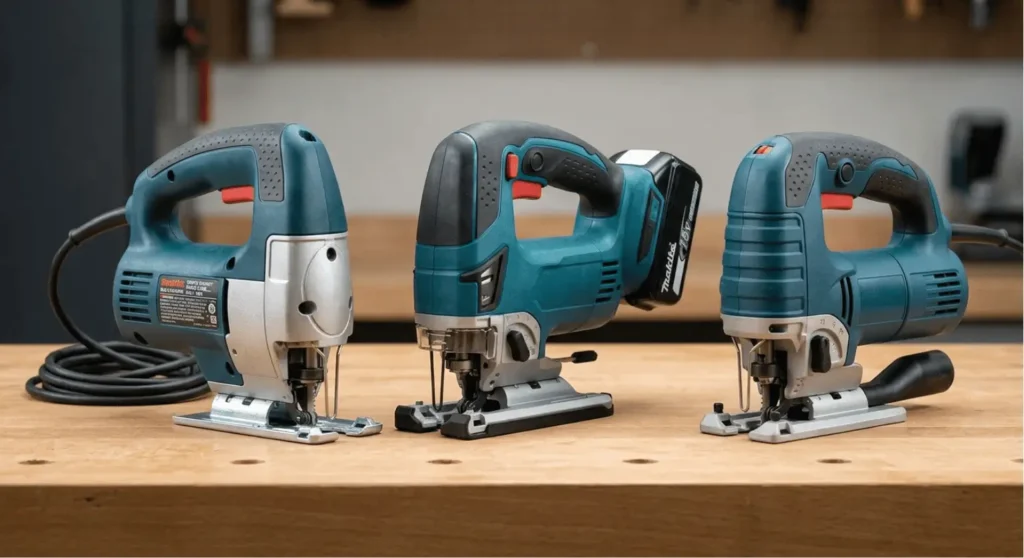
Types of Jig Saws
Corded Jig Saw
A jigsaw with cords is plugged into electricity. It provides continuous power and is suitable for long jobs.
Best for home improvement projects requiring precise cuts.
- Workshops
- Daily use
- Thick material can be cut effectively with a jigsaw equipped with the right blade.
Cordless Jig Saw
A cordless jig saw is powered by a battery pack. Provides increased mobility and is suitable for job sites.
Best for:
- Outdoor jobs
- Quick work
- Small spaces are ideal for jigsaw applications.
Barrel Grip Jig Saw
Better control and lower hand position with this style. A lot of crafty people like to use it for precision cutting.
Top Handle Jig Saw
This is the most common type. Easy to use and user friendly.
Jig Saw Blade Guide
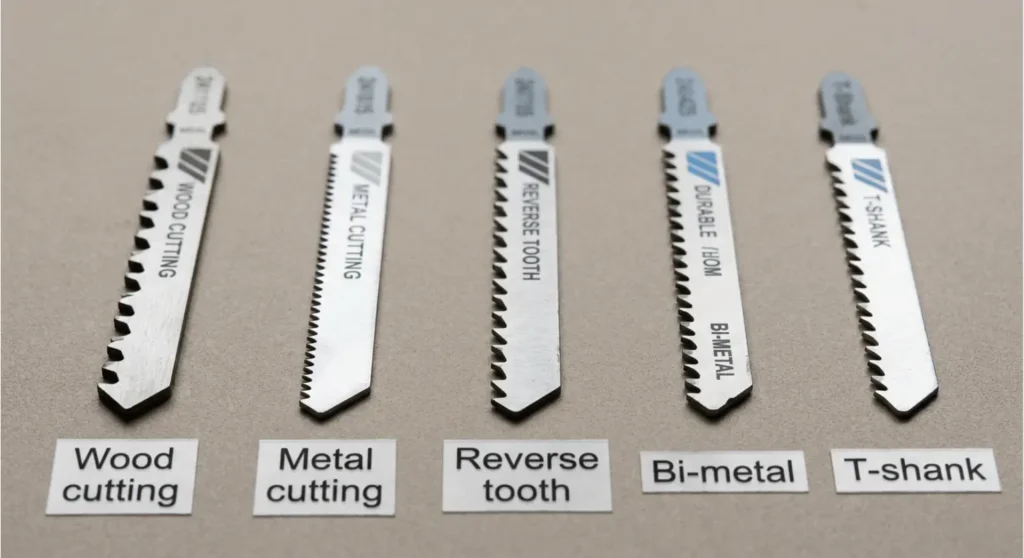
The quality of the cuts is more dependent on the blade than on the tool itself. The improper blade can bend, burn wood, or leave rough edges.
Common Blade Types
| Blade Type | Best Use |
|---|---|
| Wood blade | Fast wood cuts |
| Fine blade | Smooth finish |
| Metal blade | Thin metal |
| Reverse blade | Laminate |
| Bi-metal blade | Mixed jobs |
T-Shank Blade
The most commonly found jig saws today use a T-shank blade. It grips and vibrates less in the blade clamp.
Tooth Count Matters
- Large teeth cut faster
- Small teeth cut smoother
- Fine teeth minimize splintering
Best Jig Saw Blade for Each Material
Wood
For speedy cuts use a coarse wood blade. For furniture or clean edges use a fine blade.
Plywood
Try to avoid splintering by using a fine blade or a reverse-tooth blade.
Laminate
Operate at low speed, using a reverse blade. This will help to shield the top surface.
Metal
Slow cutting speed and use a metal cutting blade. Use cutting oil for easier cutting.
PVC and Plastic
Use medium speed. Plastic may melt if the speed is too high.
How to Use a Jig Saw
When operated properly, a jigsaw is easy to use and offers great flexibility.
Step-by-Step Guide
- Mark the cut line.
- Clamp the material.
- Install the correct blade.
- Set the speed.
- Place the shoe plate flat.
- Start the tool.
- Move along the line slowly.
- Allow the blade to come to a stop before lifting the saw.
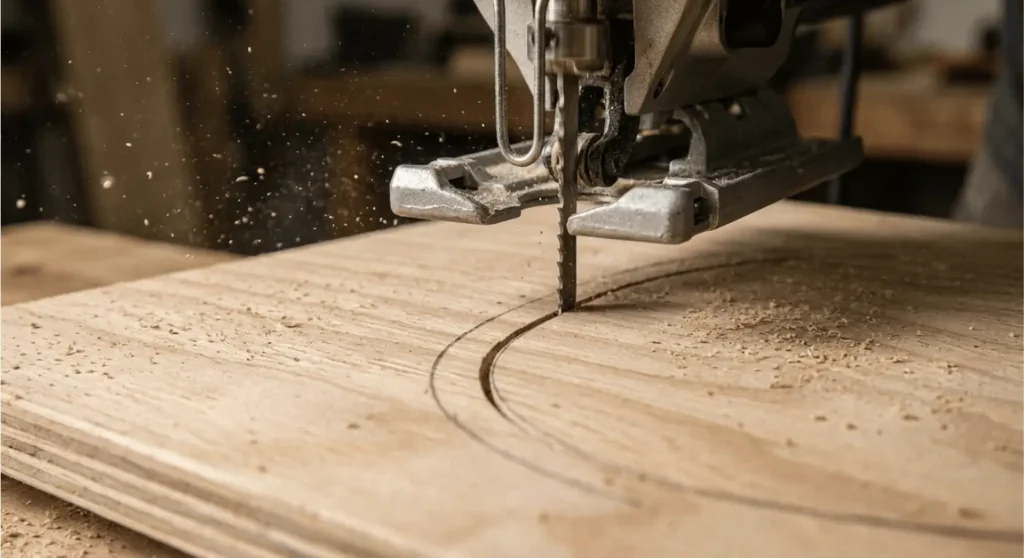
How to Cut Curves with a Jig Saw
The best attribute of a jigsaw is the curved cuts it can produce.
Tips for Smooth Curves
- Use a narrow blade
- Move slowly
- Do not force the saw
- Make relief cuts on tight curves
- Keep both hands steady
Tight curves require patience. The blade can be bent by rapid motion.
How to Make Straight Cuts
One common question users often have is whether a jigsaw can make straight cuts. Yes, it can, but it requires the proper setup.
Better Straight Cuts
- Use a guide rail
- Use a thicker blade
- Keep the shoe flat
- Move at constant speed
- Avoid side pressure
A circular saw will provide better long straight cuts; for smaller jobs, a jigsaw is sufficient.
Orbital Action Explained
During cutting, the orbital action provides a forward blade motion.
Benefits
- Faster wood cutting
- Less heat
- Better chip removal
Drawbacks
- Rougher finish
- Some reduction in control over fine work
When to Use It
| Material | Orbital Setting |
|---|---|
| Hardwood | Medium |
| Soft wood | High |
| Laminate | Off |
| Metal | Off |
Jig Saw Safety Tips
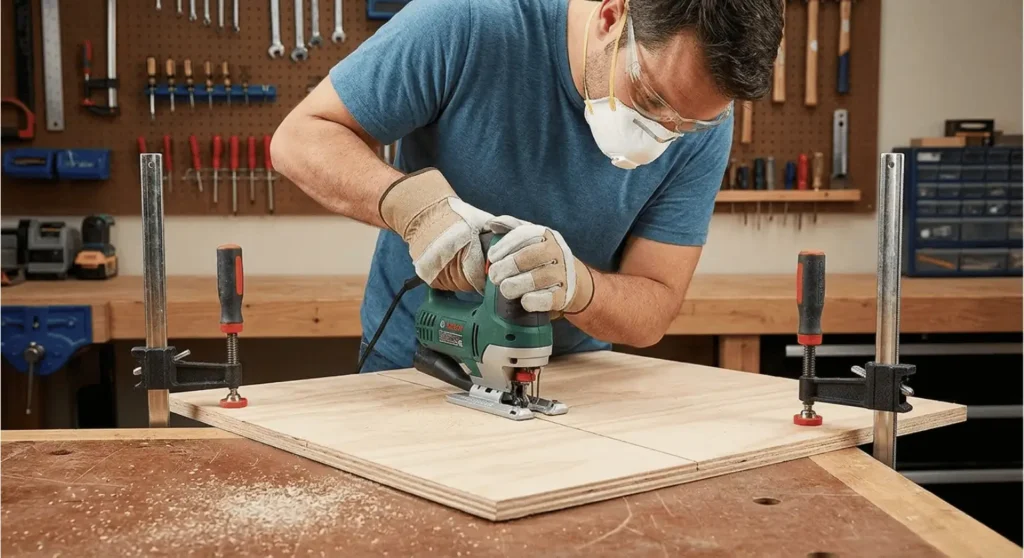
Safe cutting is for the protection of both the operator and the cut material when using a jigsaw.
Basic Safety Gear
- Safety glasses
- Hearing protection
- Dust mask
- Work gloves
Safe Cutting Habits
- Clamp material tightly
- Keep fingers away from blade
- Use sharp blades
- Before using, inspect blade lock
- Never force the electric tool.
Common Jig Saw Problems
Crooked Cuts
This happens when:
- The blade is weak
- You push too hard
- The material moves
Blade Bending
Usually the bending of blades is caused by excessive cutting speeds or thick materials.
Fix it by:
- Using a thicker blade
- Slowing down
- Reducing pressure
Rough Edges
Rough edges are caused by improper use of the jigsaw.
- Wrong blade
- High speed
- Dull teeth
Burning Wood
Burn marks occur when:
- Speed is too high
- Blade is dull
- Cutting stops too long in one place
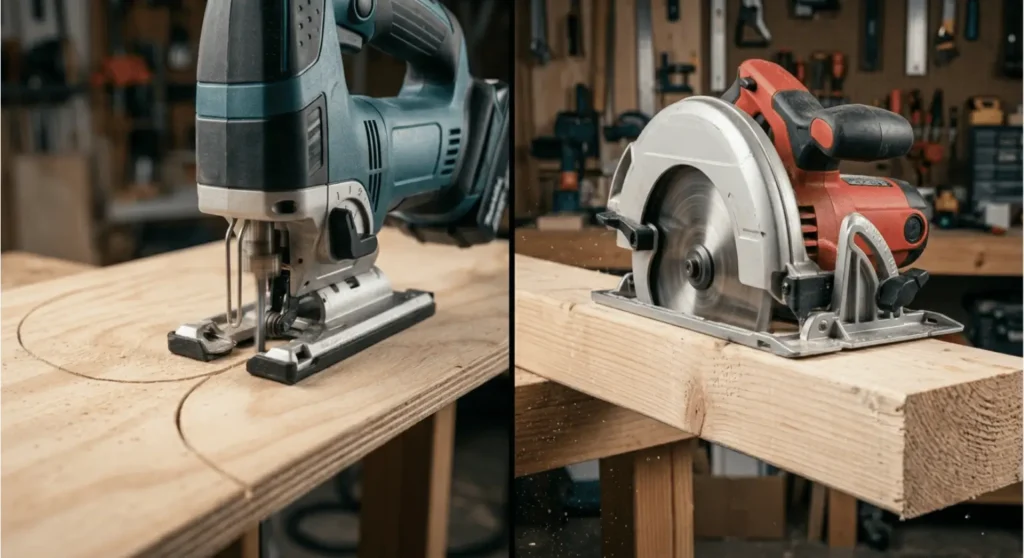
Jig Saw vs Circular Saw
Both tools are used for cutting wood, but the jigsaw provides more flexibility.
| Jig Saw | Circular Saw |
|---|---|
| Curved cuts | Straight cuts |
| Detail work | Fast cutting |
| Smaller blade | Large blade |
| Better control | More power |
Use a jigsaw if accuracy is of the essence. Use a circular saw for straight cuts that are longer.
Jig Saw vs Reciprocating Saw
The reciprocating saw is rough and strong. A jigsaw is much cleaner and more accurate.
Jig Saw
- Has more detail capacity
- Cleaner finish
- Better for plywood
Reciprocating Saw
- Better for demolition
- Faster rough cuts
- More suitable for thick material
Corded vs Cordless Jig Saw
Corded Models
Pros:
- Constant power
- Lower cost
- Good for workshops
Cons:
- Limited movement
- Needs outlet access
Cordless Models
Pros:
- Portable
- Easy to carry
- Ideal for use on construction sites
Cons:
- Battery cost
- Limited runtime
There are a number of brands that provide both types, including: Bosch, DeWalt, Makita jigsaws are known for their reliability and performance in home improvement tasks., Milwaukee, Black+Decker, and Ryobi.
Best Features to Look For
Variable Speed
This will help to match the cutting speed to the material and improve the application.
Brushless Motor
A brushless motor is cooler and lasts longer.
Low Vibration
Reduced vibration means greater accuracy and comfort.
Quick Blade Change
Rapidly change blades without the need for tools during working.
Dust Blower
A dust blower removes sawdust from the saw line.
Jig Saw Buying Guide
There is no best jigsaw, it all depends on your job type.
For Beginners
Choose the best tool-free blade for your needs.
- Top handle
- Variable speed
- Mid-range power
- Easy blade change
For Professionals
Choose:
- Brushless motor
- Strong battery system
- Low vibration
- Better blade support
For Woodworking
Focus on:
- Precision
- Smooth cutting
- Fine blade support
For Metal Cutting
Focus on:
- Slow speed control
- Strong motor
- Stable blade clamp
Jig Saw Pricing
Brand, power and battery system pricing changes.
| Type | Price Level |
|---|---|
| Entry level | Budget |
| Mid-range | Moderate |
| Professional | Premium |
Cordless tools are generally more expensive due to batteries and chargers.
Where to Buy a Jig Saw
You can buy jigsaws from:
- Hardware stores
- Power tool dealers
- Online marketplaces
- Industrial suppliers
- Woodworking shops
A huge number of users conduct searches for:
- jig saw near me
- power tools near me
- cordless jigsaw nearby
- jig saw suppliers near me
Always check:
- Warranty
- Spare blade access
- Service support is essential for maintaining your electric jigsaw.
- Battery compatibility
Workshop Tips for Better Results
Use Painter Tape on Laminate
This minimizes the amount of top layer chipping.
Let the Blade Cool
Hot blades wear out more quickly and burn wood.
Support Thin Material
Unsupported sheets vibrate and crack.
Keep Spare Blades
Various materials require different types and configurations of teeth and blades.
Test Cuts First
Use scrap material to practice before cutting.
FAQs
What is a jig saw used for?
A jigsaw cuts curves, shapes, and fine lines in wood, plastic, laminate and thin metal.
Can a jig saw cut metal?
Yes. For clean cuts use a metal-cutting blade and slow speed.
Which jig saw blade should I use?
Select the blade depending on the material. Wood blades for wood. Fine metal blades are required for metal.
Is a jig saw good for beginners?
Yes. One of the easiest power tools to use for a first time user is a jigsaw, which provides good control.
What is orbital action on a jig saw?
Orbital action is designed to move the blade forward during cutting to improve the cutting speed when wood is being cut.
Why does my jigsaw cut crooked?
Crooked cuts are caused by weak blades, too much pushing or insufficient material support.
Can a jig saw cut straight lines?
Yes. Use a guide and proceed slowly for straight cuts.
What speed should I use on laminate?
Drive at low speed to avoid chipping and heating.
Can a jig saw cut tile?
Some jigsaws are available that will cut tile with a special carbide blade, but it will be a slow process.
How thick can a jig saw cut?
Most jig saws have the ability to cut medium thickness wood and thin metal sheets. Capacity varies according to motor power and the type of blades used in the jigsaw.
Conclusion
A jig saw is a versatile and helpful cutting device for the DIYer, carpenter, flooring installer and workshop professionals. It is used for good control of curved cuts, detail work, and with many materials.
Cut quality is greatly enhanced by the use of the right blade, the right speed and the right cutting method. When shopping for a jigsaw, ensure corded or cordless, precision, comfort, and blade support.
A quality jig saw will easily cut wood, laminate, PVC, plywood and light metal.